From customer evidence to a 90-day plan.

Before we write an ad, we read eight sources of evidence together. What they show about why people buy becomes a three-month roadmap: what to test, what to build and who does what.

8
evidence sources, read side by side
1
picture of your buyer behind every concept
90
day roadmap, reviewed every week

It starts with the 8-Point Creative Intelligence Scan.

  1. Creative strategy

    Concepts ranked by evidence. Every concept carries:

    • Buyer persona
    • Buying moment
    • Pain or desire
    • Objection
    • Angle gap
    • Proof
    • Test hypothesis
  2. Testing

    Finished ads your media buyer launches, each with a clear question behind it.

  3. 90-day roadmap

    What each test teaches us decides what to build, refresh and retire next.

    See the first 90 days

The first 90 days.

Every partnership runs on the creative strategy core. The CRO layer adds conversion work when it’s in your scope.

  • Creative strategy core, in every partnership
  • CRO layer, optional and scoped
  1. Month 1

    Diagnose, stabilize and identify opportunities

    We learn what already works in your account, run the research scan and ship the first concepts.

    • Review the account, your controls and the creative history
    • Run the eight-source research scan
    • Ship the first concepts: iterations of what already works, plus new angles
    • Agree the testing roadmap with your media buyer

    With the CRO layer

    • Full CRO audit from ad to checkout
  2. Month 2

    Expand creative and improve conversion

    The angles that earn results grow into new concepts, formats and scripts, and weak ideas are retired.

    • Extend the angles that earn results into new concepts, formats and video scripts
    • Retire what the data rules out
    • Weekly account analysis, with a Loom debrief after each review

    With the CRO layer

    • Landing-page and funnel briefs for your team to build
    • First CRO experiment plans
  3. Month 3

    Optimize offers and plan the next quarter

    We protect what works, refresh what’s tiring and plan the next quarter from three months of evidence.

    • Protect proven concepts and refresh the ones that are tiring
    • Monthly learning report on what three months of tests showed
    • A creative plan for the next quarter

    With the CRO layer

    • Offer, bundle, AOV and upsell recommendations
    • Read experiment results and plan the next conversion tests
Inside month one, week by week
  1. Days 1–2

    Research & quick wins

    We review the ad account, proven ads, customer data, offers and unit economics, and agree with your media buyer and editors how feedback will move between us. Easy iterations on existing winners are flagged straight away.

  2. Days 3–7

    Iterate winners & test new concepts

    The first batch pairs variations of your current controls with new concepts built on the buyer and angle gaps the scan uncovered. Each one carries a written hypothesis and goes live as quickly as approvals allow.

  3. Days 8–21

    Test, learn & optimize

    We work alongside your media buyer on CPA, ROAS and conversion data, and read every concept against its hypothesis. Where an ad earns clicks the landing page doesn’t convert, we look at the mismatch between creative and page and flag the CRO opportunity.

  4. Days 22–30

    Scale & build the pipeline

    Stronger concepts are protected and extended into new formats and variants, and the next round is briefed from what the month taught us. By day 30 you have an evidence-backed view of what to make next.

Each month ends with a clearer, evidence-backed view of what to make next.

Two teams, clear responsibilities.

Anything on your side can move to ours if we contract it separately.

See who does what

She Crushes ECom

Research, creative strategy, finished static ads, video scripts and filming direction, and account analysis, plus CRO and business advisory when scoped.

Your team and media buyer

Meta campaign launches and budgets, filming and editing video, building pages and running CRO experiments, and approving claims and brand assets.

The eight sources, in detail.

Open a source to see what we read and what we look for.

  • Controls

    Start with what has already earned money.

    Your proven winners are the most valuable research you own. We review the ads, hooks, angles, offers and landing pages that have actually converted, then work out why they converted: the promise, the proof, the moment, the format, the first line.

    A strong control usually deserves an intelligent iteration before anyone invents something new from a blank page.

    What we’re looking for: The reason a control converted, stated clearly enough to build variations from.

  • Customers

    Read the people who already bought.

    Reviews, complaints, post-purchase surveys, testimonials and any research the brand already holds. We read for what made someone buy, what almost stopped them, and the exact words they use to describe life before and after the product.

    Those words often make better hooks than anything written in a meeting.

    What we’re looking for: Purchase triggers, near-miss hesitations and precise before-and-after language.

  • Support

    The most overlooked sales-call library in ecommerce.

    A DTC brand rarely records sales calls, but it has something close: support tickets, DMs, FAQs, ad comments and the questions people ask before and after they order. Where a brand does run sales calls, those go in too.

    Every repeated question is an objection a prospect also had. Most of those prospects never wrote in; they simply left.

    What we’re looking for: The objections and confusions an ad or landing page should answer before anyone has to ask.

  • Competitors

    Follow the whole path, not just the ad.

    We study competitor creative with ad research tools such as Foreplay, GetHookd and Tryatria, then follow each one from ad to landing page to offer to checkout. That shows which mechanisms and promises the category keeps repeating, and which buyer concerns nobody is addressing.

    A long-running ad is worth noting. It is not proof that the ad is profitable, so we never treat it as one.

    What we’re looking for: Overused mechanisms and promises, and the angle gaps a brand could own.

  • Communities

    Hear the conversation the brand isn’t part of.

    Reddit threads, Amazon reviews, YouTube comments and Facebook groups show how people talk about a problem when no brand is listening. The phrasing is less polished and usually more honest.

    Questions and frictions that keep coming up here often point to angles a single brand’s own customers never mention.

    What we’re looking for: Unfiltered phrasing, recurring questions and the frictions people keep running into.

  • Creators + organic

    See what is already holding attention.

    We look at the organic posts, hooks and formats earning attention in the category and in adjacent niches. A format that works for a neighbouring product can translate surprisingly well.

    These are inputs for ideas, not evidence of paid performance. Organic reach and profitable paid acquisition are different tests.

    What we’re looking for: Hooks, formats and storytelling styles worth adapting for a paid test.

  • Customer Buying Moments

    A specific moment makes an ad feel like it was made for you.

    When someone on our team, or someone we know, resembles the target buyer, we ask direct questions. What would catch your attention? What would make this believable? What would actually get you to buy?

    The most useful answers are moments rather than demographics: picking up a grandchild, travelling, arriving home at the end of a long day. A moment gives a script a setting and an emotional state the viewer recognises, which is what makes in-the-moment creative relatable.

    What we’re looking for: Concrete buying moments that turn a broad audience into a scene someone can picture themselves in.

  • Vintage Ads

    Direct response was solving these problems long before Meta.

    Vintage direct-response advertisements and old catalogs, including J. Peterman, are a library of storytelling structures that sold for decades. We study why they worked: the setup, the specificity, the way desire is built before the product is even named.

    Then we reinterpret the underlying psychology for a modern feed. We borrow the structure and the thinking, never anyone’s protected artwork or copy.

    What we’re looking for: Proven persuasion structures that can be rebuilt in a new format and a brand’s own voice.

Read the signal. Find the constraint.

How the weekly analysis decides what to change first. Each ad is judged on CPA and ROAS alongside spend, volume and placement.

  1. Low hook rate

    The opening

    The first one to three seconds: the first frame, the first line, the first reason to keep watching.

  2. High hook rate, low hold

    The handoff and pacing

    The hook did its job. What follows it isn’t keeping the promise quickly enough.

  3. High watch time, low CTR

    Benefit, offer, proof and call to action

    People stayed with the ad but weren’t given a strong enough reason to click.

  4. High CTR, low landing-page conversion

    Message match, price, proof and friction

    The ad made a promise the page didn’t continue, or the page made buying harder than it should be.

  5. Good CPA or ROAS

    Protect it, then scale it

    Keep the proven concept running and extend it through careful variants rather than replacing what works.

What makes the process different.

Controls before guesswork

We iterate on what has already proven it can sell before spending budget on ideas with no track record.

Customer moments over broad demographics

An age range and an interest don’t tell a scriptwriter much. A specific moment, a feeling and an objection do.

Distinct awareness levels

Concepts are written for where the buyer is, from unaware of the problem to comparing products. How a test budget is spread across those levels depends on the account and the spend, not a fixed formula.

Direct response meets creative judgment

Classic persuasion principles decide what an ad needs to do. Taste and craft decide whether anyone stops long enough to let it.

The ad and landing page get diagnosed together

A strong ad can lose on a page that breaks its promise. We look at both before calling a concept a loser.

How a partnership gets started.

Want to see the work first? Most brands start with the $297 Creative Test.

  1. Book a partnership call and send the inputs

    We agree the scope on the call. Then we need ad account access or exports, analytics, approved claims, existing creative and your most common support questions.

  2. We run the eight-source scan

    The findings become the insight and angle map behind the first concepts.

  3. Brief, produce and test

    Concepts are briefed and produced, then launched by your media buyer under testing conditions you agree together.

  4. Read the outcomes, plan the next batch

    We read results against each hypothesis, then decide what to iterate, retire and explore next.

See the thinking in finished creative.

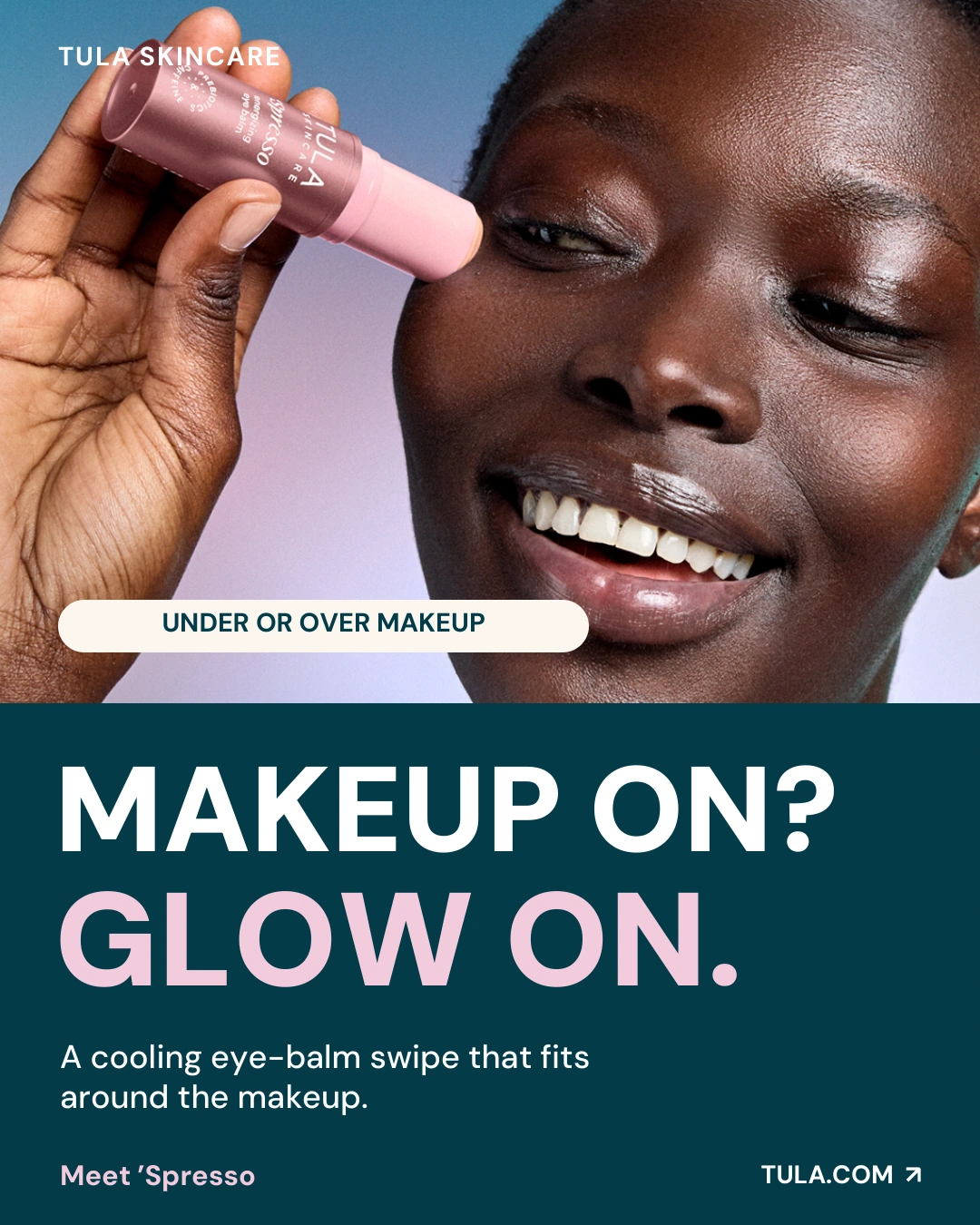
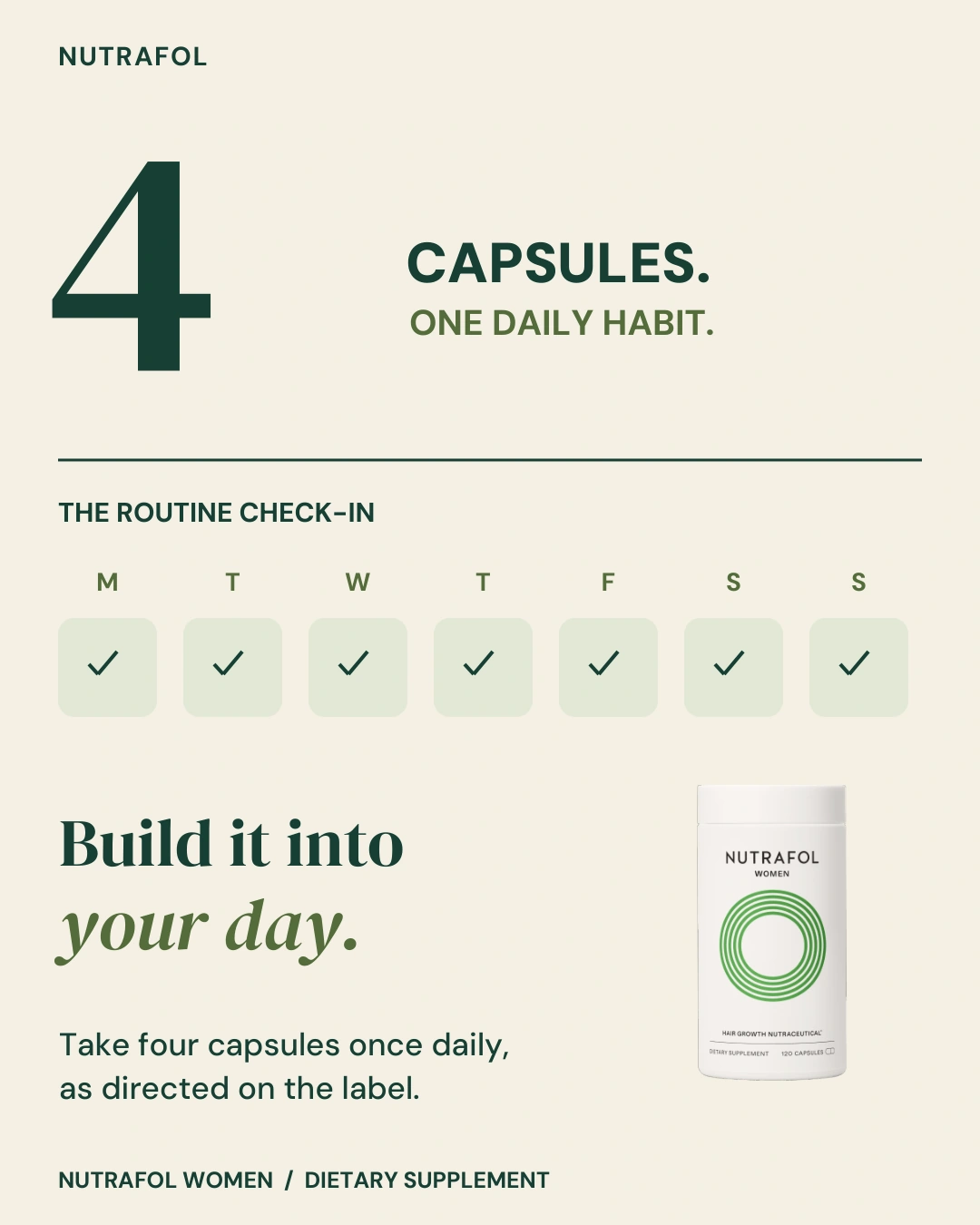
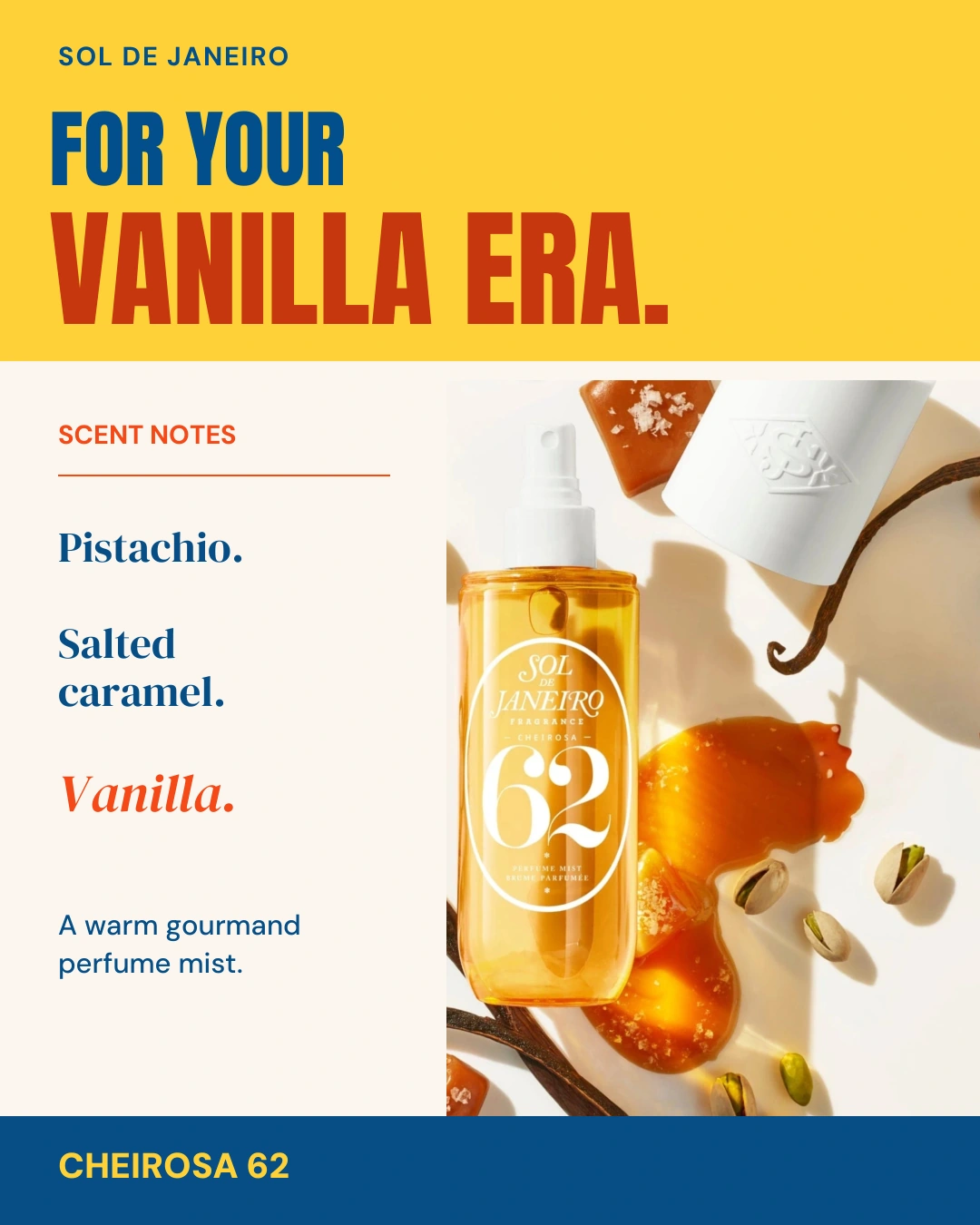
Our Portfolio shows independent spec campaigns for TULA, Nutrafol and Sol de Janeiro, with the strategy behind each set.

See our portfolio
TULA ad: a smiling woman applies a pink eye-balm stick. Headline: Makeup on? Glow on. A cooling eye-balm swipe that fits around the makeup. Meet 'Spresso.Nutrafol ad: a large numeral 4 with a seven-day routine check-in grid and the Nutrafol Women bottle. Take four capsules once daily, as directed on the label.Sol de Janeiro ad: Cheirosa 62 mist among caramel, pistachio and vanilla, with scent notes listed: pistachio, salted caramel, vanilla.

Bring us your controls. We’ll show you where the scan would start.

Start with the $297 Creative Test and see the research turned into 10 finished ads. Ready for ongoing work? Book a partnership call and we’ll map the 90 days for your brand.